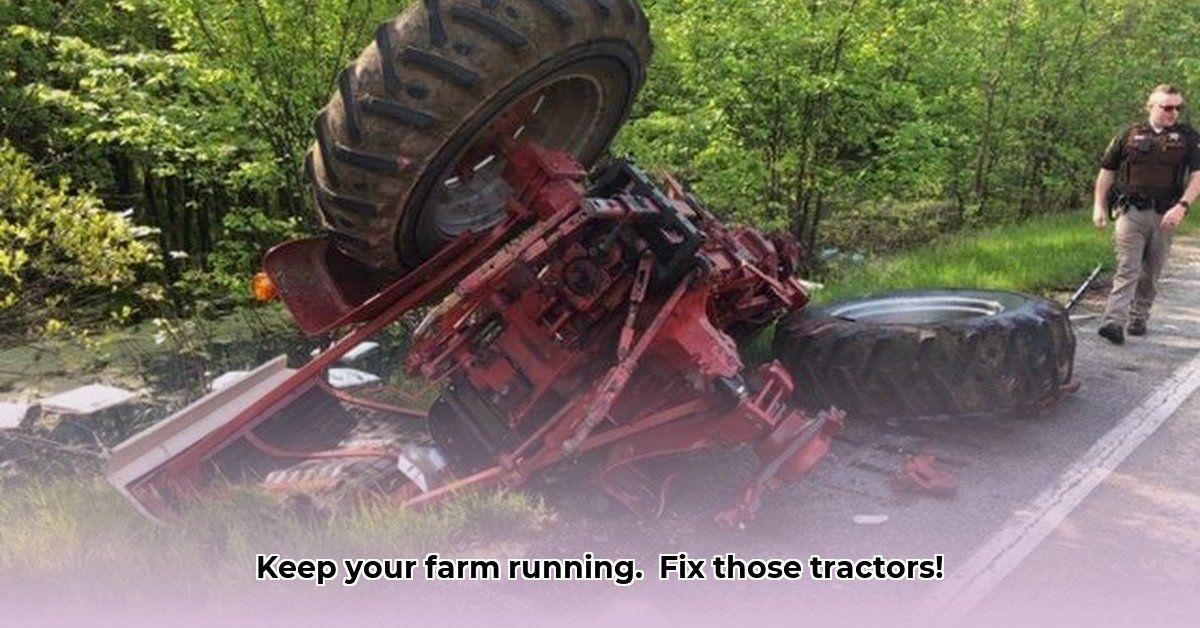
Assessing Salvage Tractors: A Step-by-Step Guide
Before you even consider purchasing a salvage tractor, a thorough inspection is crucial. This isn't just about superficial damage; it's a comprehensive health check for your potential investment. This process will help you determine the feasibility and cost-effectiveness of repair. Remember, a well-planned inspection saves you time and money in the long run. Isn't it worth the effort to avoid costly mistakes?
Engine Examination: The Tractor's Heart
Begin by inspecting the engine. Look for cracks in the engine block, damaged pistons, or any signs of internal damage. Check for external leaks—oil or coolant leaks are major red flags. Can you easily turn the crankshaft? A seized engine will require significant repair or replacement. This is often the most expensive component to replace, so prioritize inspecting it thoroughly.
Transmission Inspection: Shifting Gears Smoothly
Next, examine the transmission. Try shifting through all the gears; any unusual resistance, grinding, or difficulty shifting indicates a potential problem. Listen closely for whining, grinding, or clicking noises—these are major indicators of wear and tear. Inspect for leaks around the transmission housing. A faulty transmission severely impacts functionality.
Hydraulic System Evaluation: Powering the Lift
Carefully inspect all hydraulic lines, cylinders, and valves for leaks, breaks, or damage. Hydraulic systems are complex and leaks can quickly lead to costly repairs. Test the lift arms, power steering, and other hydraulic functions. Do they work properly? A thorough assessment of the hydraulic system is critical as it is integral to many tractor functions.
Electrical System Check: Power Up
Now, evaluate the electrical system. Carefully examine all wiring harnesses for damage, breaks, or short circuits. Test all lights, gauges, and other electrical components. A malfunctioning electrical system can lead to unexpected downtime and safety hazards.
Structural Integrity: The Tractor's Backbone
Finally, assess the tractor's frame and chassis for any bends, cracks, or structural damage. Pay close attention to areas most affected by the crash. Severe frame damage can render the tractor beyond economical repair.
Using Checklists: Creating a simple checklist will improve the efficiency of your inspection. Divide the checklist by system (engine, transmission, etc.) and take pictures to document everything. These photos will prove invaluable as you start sourcing parts or consulting with repair shops.
Sourcing Parts: Finding the Right Pieces
Finding replacement parts for older tractors can be challenging. Online marketplaces offer a wide selection but can be unreliable, and descriptions might lack precision. Here's how to effectively source the parts you need:
Salvage Yards: A Treasure Trove of Parts
Salvage yards specializing in agricultural equipment are invaluable resources. Building relationships with local yards will significantly improve your chances of finding specific parts. Often, they have parts unavailable online.
Repair Shops: Expertise and Connections
Experienced mechanics often have vast networks for obtaining hard-to-find parts. Establishing a relationship with a local shop can streamline the part-finding process and may provide valuable advice.
Online Forums and Communities: Networking
Online forums and agricultural communities can be invaluable. Other farmers may have parts sitting unused in their barns. Connecting with these communities opens doors to unique opportunities for sourcing parts.
Repair and Maintenance: Getting Your Tractor Back in Action
Repairing a damaged tractor depends on your mechanical skills and access to tools. Some repairs are straightforward while others might require specialized skills. Remember these key points:
- Prioritize essential repairs: Focus on fixing the most critical systems to restore basic functionality. Addressing core issues first will prevent further damage.
- Preventative maintenance is crucial: Regular maintenance greatly reduces future repair costs, preventing minor issues from developing into significant problems.
- Keep detailed records: Maintain a detailed log of all repairs, parts used, and expenses. This information is invaluable for future reference and potential warranty claims.
Cost-Benefit Analysis: Repair or Replace?
This decision requires careful consideration. Compare estimated repair costs (labor, parts, and downtime) with the cost of a new or used tractor. Consider the environmental footprint—repairing an existing tractor is far more sustainable than manufacturing a new one. Often, repair is the more economical and environmentally responsible option.
Legal and Regulatory Considerations: Safety First
Before starting repairs, check your local and national regulations concerning agricultural machinery safety and operation. Pay special attention to the proper disposal of hazardous materials like oil and fluids. Compliance with regulations is paramount for safety and environmental responsibility.
Conclusion: Sustainable Farming Practices
Restoring a damaged tractor is an investment—both financially and environmentally. This process demands patience, research, and a commitment to safety. The rewards are numerous: cost savings, reduced environmental impact, and the satisfaction of extending the lifespan of a valuable piece of equipment. Responsible repair is sustainable farming in action.